Yes, you can have a vegan pick and mix table, a halal pick and mix table or a gluten-free pick and mix table at your event.
What you cannot easily have is all three from the same jars, because the sweets that pass one test often fail another. And no shared sweet table, however carefully it is set up, can be called allergen-free.
This guide lists which popular pick and mix sweets are vegan, halal or gluten-free, explains the UK allergen rules that apply to a sweet station, and sets out how we build an allergy-friendly display for weddings, parties, school events and corporate days.
Brand information was checked against manufacturer and retailer labels in October 2026. Recipes change, so the packet is always the final word.
Key takeaways
- Vegan and halal rarely overlap in gummy sweets. Vegan gummies have no gelatine but are usually not halal-certified. Halal-certified gummies use beef gelatine, so they are not vegan.
- Gluten is rare in pick and mix but turns up in liquorice, wafer sweets and some coatings. “Gluten-free” on a label means 20 parts per million of gluten or less.
- A dietary label is not an allergy guarantee. Guests with a serious allergy or coeliac disease need sealed packets and a label they can read.
- The simplest safe layout is zones: a labelled vegan section, a labelled halal section, one scoop per jar and the sealed options kept separate.
Can a Vegan Pick and Mix Table also be Halal and Gluten-Free?
Partly. Boiled sweets, fizzy sherbet sweets and most lollies can tick all three boxes, so a table built only from those will suit almost everyone. The problem is gummies and jellies, which are the sweets most guests reach for first.
- Vegan gummies use pectin or starch instead of gelatine. They contain nothing from an animal, but most are not halal-certified. Many Muslim guests are happy with a vegan sweet that contains no alcohol-based flavouring, but that is their call, so ask.
- Halal-certified gummies such as Sweetzone, Bebeto and Haribo’s Turkish-made range use beef gelatine from halal-slaughtered cattle. They are fine for halal guests and useless for vegans.
- Gluten-free is easier. Most gummies, boiled sweets and chews contain no gluten, but guests with coeliac disease should also check whether manufacturers handle wheat in their factories and look for “may contain” warnings.
The practical answer is a table with labelled zones rather than one mixed selection.
Which Pick and Mix Sweets are Vegan, Halal or Gluten-Free?
Status below is taken from manufacturer and retailer information in October 2026. “Check label” means we found no clear statement, not that the sweet fails.
| Sweet | Vegan | Halal | Gluten-free | Notes |
| Swizzels Love Hearts, Refreshers, Parma Violets, Rainbow Drops, Fizzers, Double Lollies | Yes | No gelatine, not certified | Check label | Swizzels reformulated most of its range to be vegan. |
| Swizzels Drumstick lollies | Yes (new recipe) | No gelatine, not certified | Check label | Older stock contained gelatine, so check the pack. |
| Haribo made in the UK or Germany (Starmix, Tangfastics and most lines) | No | No | Check label | Haribo UK has stated its UK-made sweets use pork gelatine. |
| Haribo halal range, made in Turkey | No | Yes, certified | Check label | Look for “Made in Turkey” and the halal logo on the pack. |
| Sweetzone | No | Yes, HMC-certified | Check label | A UK halal pick and mix brand using beef gelatine. |
| Bebeto | No | Yes, certified | Check label | Turkish halal brand, beef gelatine, no artificial colours. |
| Candy Kittens | Yes | Not certified | Labelled gluten-free | Packed in a factory that handles nuts and milk, so some packs carry “may contain”. |
| Skittles (UK Fruits, Sours, Giants) | Yes | Not certified | Check label | No gelatine or carmine since the UK recipe changed. Squishy Cloudz contain gelatine. |
| Bassetts Jelly Babies | No | No | Check label | Contain gelatine. The animal source is not stated on retail listings. |
| Liquorice (all sorts, laces, wheels) | Usually yes | Usually not certified | No | Made with wheat flour. |
Two things are worth noticing. First, the two most popular jars on any sweet table, Haribo and Jelly Babies, fail both the vegan and the halal test. Second, a fully vegan or fully halal table is easy to build from the brands above, but a table that is both at once comes down to boiled sweets, sherbets and lollies.
What Makes a Pick and Mix Sweet Unsuitable for Vegans?
Four ingredients cause most of the problems:
- Gelatine, in most gummies, jellies and marshmallows.
- Milk powder or whey, in chocolate, fudge and some chewy sweets.
- Beeswax or shellac, used as a glaze on some coated sweets.
- Carmine (E120), a red colouring made from insects, is still used in some red sweets.
Pectin and starch jellies are the usual vegan replacement for gelatine gummies. Check the whole ingredient list, because a pectin sweet can still contain milk or beeswax.
How do you Check Whether Pick and Mix Sweets are Halal?
Three things decide it:
- The gelatine source: Pork gelatine is never halal. Beef gelatine is halal only if the animal was halal-slaughtered, which is what the certification confirms.
- Alcohol in flavourings: Some flavour extracts are carried in alcohol. Certified products avoid this.
- The certificate itself: In the UK, the two best-known marks are the Halal Monitoring Committee (HMC) and the Halal Food Authority (HFA). Certification applies to a specific product, not a whole brand, so a halal logo on one Haribo bag says nothing about the next one.
A vegan sweet is not automatically halal. Many halal guests will accept vegan sweets, but ask rather than assume.
What Counts as a Gluten-Free Pick and Mix?
Under UK law, a food can only be described as “gluten-free” if it contains 20 parts per million of gluten or less.
The rule applies to loose food such as sweets in jars, not just packaged products, so a sign saying “gluten-free sweets” is a legal claim and the sweets behind it must meet the limit.
A guest who simply avoids gluten will be happy with a jar of gummies or boiled sweets that has no gluten ingredients.
A coeliac guest needs more than that. They also need to know about “may contain wheat” warnings, and they need a scoop that has not been in the liquorice jar.
The sweets to watch are liquorice, which is made with wheat flour, wafer-based sweets such as flying saucers, and anything with a biscuit or malt coating.
How to Build an Allergy-Friendly Sweet Table in Seven Steps
- Ask at the RSVP stage: Add a dietary line to wedding invitations, party invites or the corporate sign-up form. For school events, ask parents.
- Decide the zones: Based on the replies, choose a vegan zone, a halal zone, or both, and decide whether the whole table can be gluten-free.
- Check the exact products: Read the ingredient list on the actual pack being used, not a web page from last year.
- Label every jar: Name the sweet and list any of the 14 regulated allergens it contains. Add “V” and “halal” markers where they apply.
- One scoop per jar: Shared scoops are the main way allergens cross between jars. Tongs work for lollies and wrapped sweets.
- Keep sealed packets for serious allergies: A guest with a nut allergy or coeliac disease can read a sealed packet. They cannot read a jar.
- Brief whoever is running the table: They need to know where the allergen list is and what to say if a guest asks.
What UK Allergen Rules Apply to a Sweet Table at an Event?
Food businesses in the UK must be able to tell customers whether any of the 14 regulated allergens are in the food they serve.
The Food Standards Agency advises businesses to provide written allergen information for non-prepacked food, including sweets scooped from jars, and to identify allergens for each item rather than the table as a whole.
A caterer running a sweet station therefore needs a per-jar allergen list, and so does anyone running the table themselves at a school fair.
What the rules do not allow is a blanket “allergen-free” claim on a shared display. Scoops move between jars, guests drop sweets into the wrong container, and most sweets are packed in factories that handle milk, nuts or wheat. Say what is in each jar and let guests decide.
Coeliac UK and the Food Standards Agency both publish plain-English guidance on these rules, and both are worth a read before a large event.
How we run an Allergy-Friendly Pick and Mix at Candy Buffets
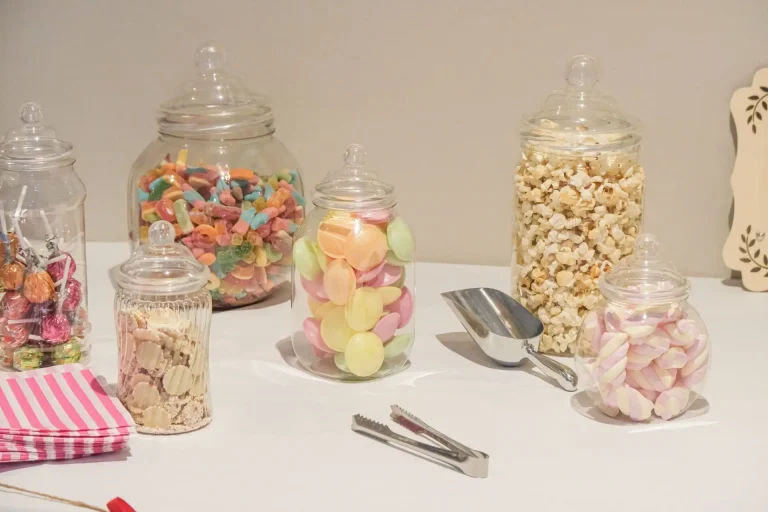
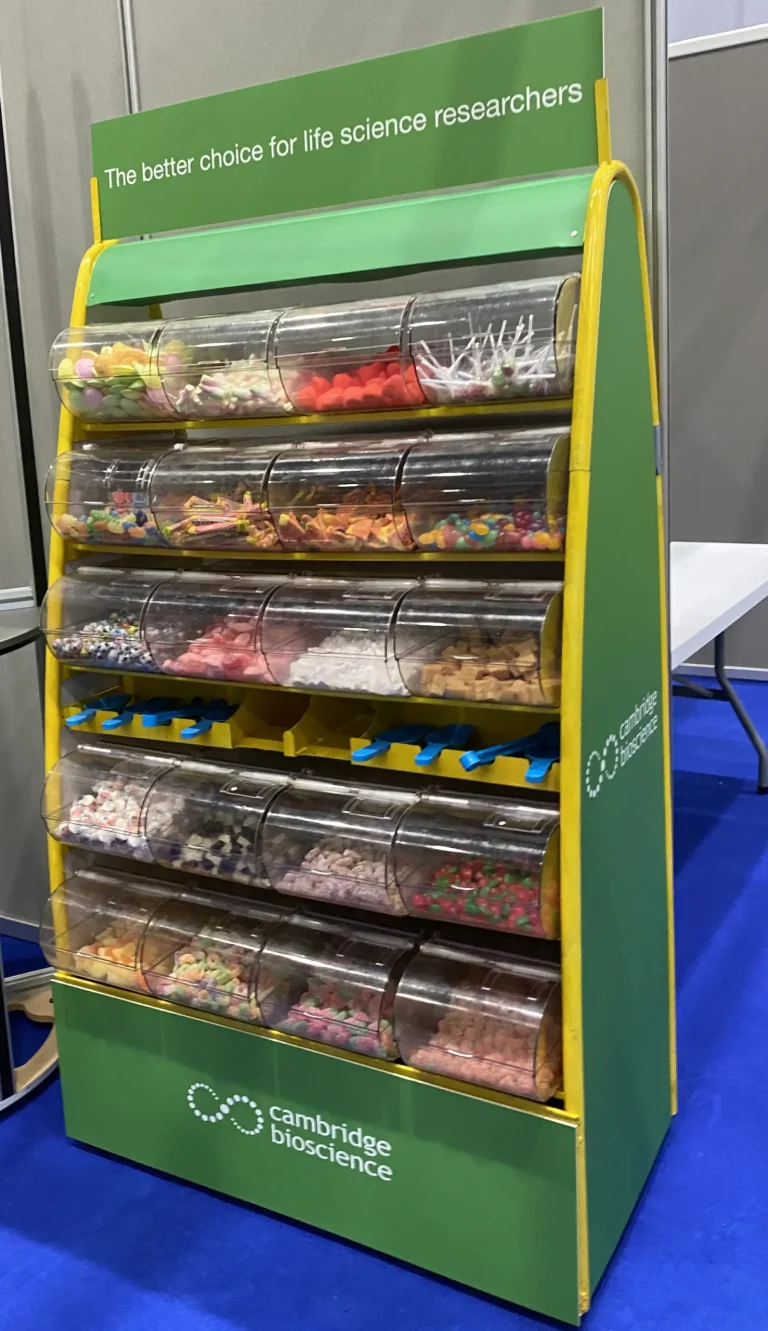
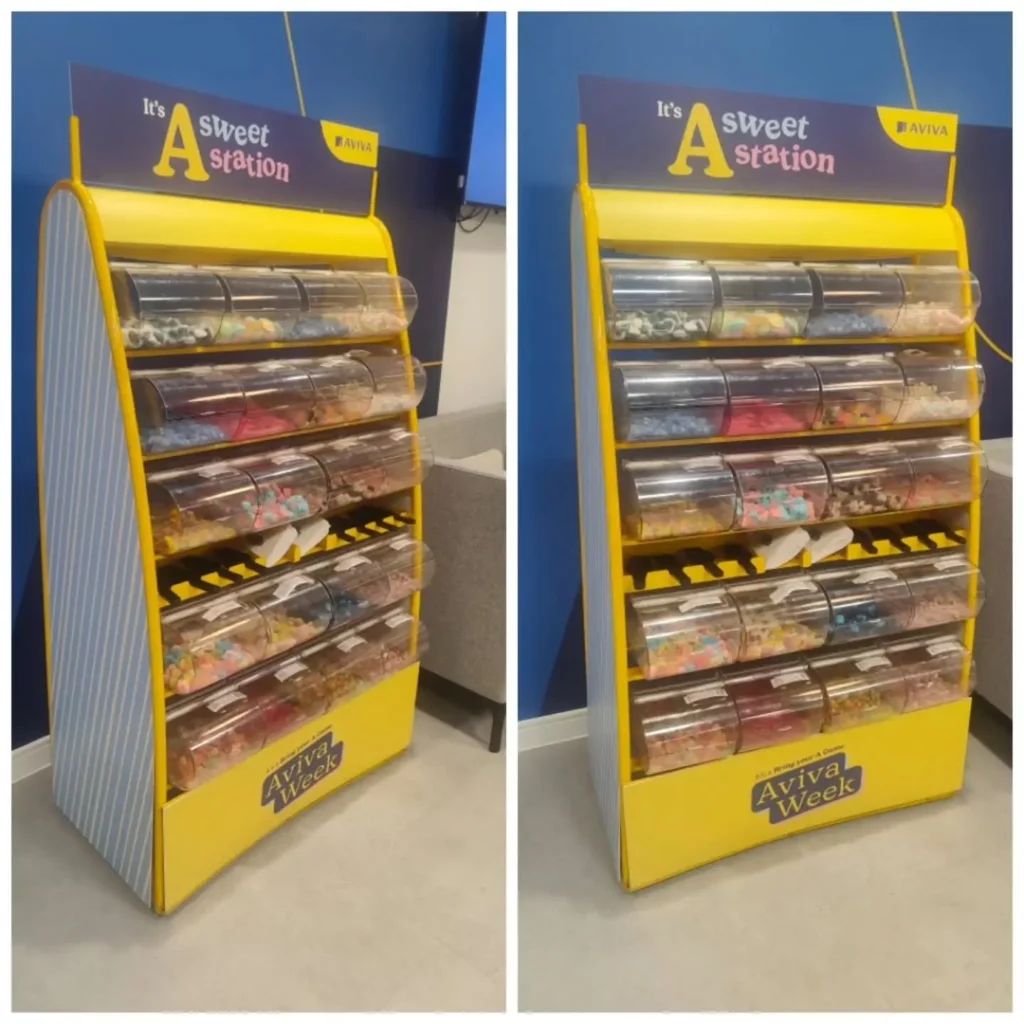
Our pick n mix stand holds 20 containers, and our candy buffet comes with 10 varieties of sweets, so there is room to give each dietary group its own section rather than one or two token jars.
Every package uses fresh sweets bought for your event, never reused, and every member of our team holds a Level 2 Food Hygiene certificate.
When you book, tell us who is coming. Branded bags and cups are available for corporate events, and we colour-match the display for weddings.
Planning a sweet table for guests with different dietary requirements? Get a free quote or call 0113 345 7698 to discuss your event, guest numbers and dietary needs.
Share this article
In this article
Planning an event?
Tell us your date and venue and we’ll send you a quote for any of our services.