


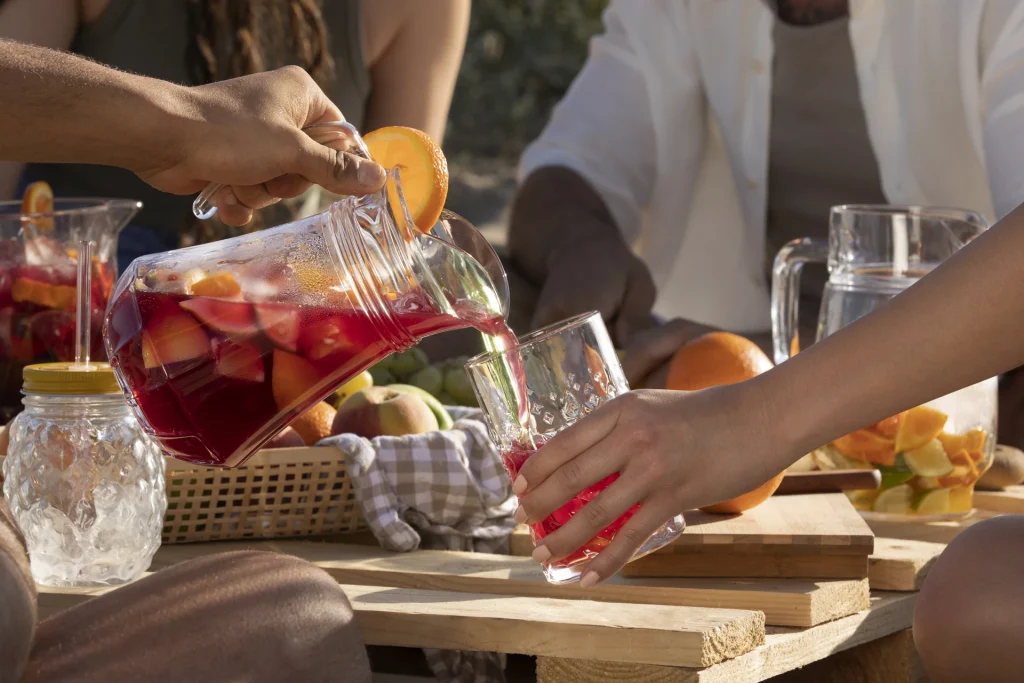
Few drinks embody the spirit of an English summer quite like Pimm’s. From Wimbledon lawns and garden parties to picnics in Hyde Park, its distinctive fruity flavour and elegant presentation evoke a sense of nostalgia and national pride. But how did this modest gin-based creation evolve into one of Britain’s most cherished beverages? To understand its journey, we must step back to Victorian London, where its story first began.
A Refreshing Beginning in Victorian Britain
Pimm’s started in the 1823s, when James Pimm, the son of a farmer from Kent, ran a small oyster bar on London’s Poultry Street. His bar served busy city leaders who wanted a drink that was both sophisticated and easy to digest. As an alternative to serving regular gin, Pimm made a special mix of spirits with herbs, spices, and quinine to go with seafood.
Serving this mix in a small mug called a “No.1 Cup” made it a local hit very quickly. The drink was both delicious and unique, according to customers. Demand grew beyond Pimm’s diner over time, so he put his drink in bottles and sold them in stores. From what started as a simple house mix, one of Britain’s most famous summer drinks grew.
Pimm’s had become a symbol of class and relaxation by the late 1800s. As the business grew, it made more drinks, each with a name that hinted at the base spirit it contained. For example, No. 2 was made with Scotch whisky, and No. 3 was made with gin. But the original gin-based No.1 Cup kept winning hearts across the country and is still the most popular addition to the collection.
How Pimm’s Found Its Place in British Culture
In the early 1900s, Pimm’s went from being an odd drink to an important part of British social life. It was great for outdoor events because it had a light, balanced flavour. As eating outside became more common, Pimm’s became the drink of choice at weddings, picnics, and regattas. It stuck around at high-class events like Wimbledon and the Henley Royal Regatta, where it became as traditional as strawberries and cream.
In the middle of the 20th century, Pimm’s ads cleverly linked the brand to the idea of high-class pleasure. The drink came to represent the beauty of British summers, with a taste that is both new and old. It became a lively tradition when housewives served it in tall glasses filled with fresh fruit, cucumber, and mint. Even though creativity often takes precedence over custom in the cocktail culture of today, that simple mix is still an important part of holiday gatherings.
Interestingly, the years after World War II helped Pimm’s build its renown. As rationing ended and social events started up again, Britons looked for simple pleasures with a touch of class. That’s exactly what Pimm’s was: a small luxury that bridged the gap between old-fashioned restraint and the casual ease of modern summer life.
Pimm’s in Modern Times: A Symbol of Summer
In modern culture, Pimm’s symbolises hospitality. British elegance and kindness are embodied in it. Bartenders across the UK experiment with sparkling lemonade, ginger ale, and prosecco to suit regional tastes. A mix of citrus, spice, and sweetness that evokes sunshine in a glass remains.
Many drinks have been introduced globally, but few have the emotional impact of Pimm’s. It reflects a shared lifestyle, like afternoon tea or scones with clotted cream. A jug of Pimm’s with herbs and fruit unites people during a rustic wedding or summer celebration.
Even non-drink firms like Candy Buffets use Pimm’s-inspired tastes in their summer events due to its timeless charm. A symbol of British revelry, the drink is both beautiful and convivial. In addition to pubs and cocktail menus, it influences home entertaining, event catering, and seasonal design.
Social media has helped Pimm’s stay relevant with younger consumers. Posters featuring picnic baskets, coloured jugs, and gardens symbolise British summer identity. It’s a lifestyle moment that blends modern leisure and community ideals with a drink.
Why Pimm’s Endures as a Seasonal Classic
So why is Pimm’s still doing so well after almost two hundred years? Its ability to change slowly while staying true to its roots is the answer. It can still be used for new trends in mixology, like low-alcohol drinks and craft garnishes, without losing its classic appeal.
In addition, its lasting charm brings people of all ages together. Many people see it as a sign that summer is coming and the nights are getting longer. When I take my first sip of a cold drink outside, I remember many things, like family parties, lazy afternoons, and laughing with other people. It’s successful not because it’s exclusive, but because people know each other and feel comfortable there.
Some modern bartenders skip over old recipes in favour of new ones, but Pimm’s keeps surprising people with how well it can be changed to fit different tastes. Its floral notes are still clear, whether it’s mixed with lemon-lime soda, sparkling cider, or infused teas. The understated elegance of Pimm’s shows a connection to culture that many other drinks don’t have.
Additionally, event meals put together by companies like Candy Buffets now include Pimm’s-inspired items, combining taste, history, and tradition into fun, modern events. This mix of times makes Pimm’s not just a relic but a living part of British society.
The Legacy of an Icon
Tracing Pimm’s history reveals how one drink grew to signify much more than just refreshment. It depicts Britain’s social evolution, from Victorian formality to current informality, all while retaining its spirit of understated beauty.
Pimm’s conveys the narrative of a country that loves tradition without fear of change. Every summer, new generations find its allure, and with each season, its story becomes a little richer. Pimm’s is a salute to summer, an enduring ambassador of British hospitality and delight, whether enjoyed on a lawn chair under a striped parasol or at a bustling garden soirée.